Congratulations, mama! You just did something incredible. But let’s be honest, nobody tells you how messy the recovery really is.
Am I doing too much? Is it normal to still feel exhausted weeks after giving birth? Why does my bleeding seem heavier again? Why am I feeling dizzy when I stand up?
These are questions many new mothers ask themselves during the postpartum period.
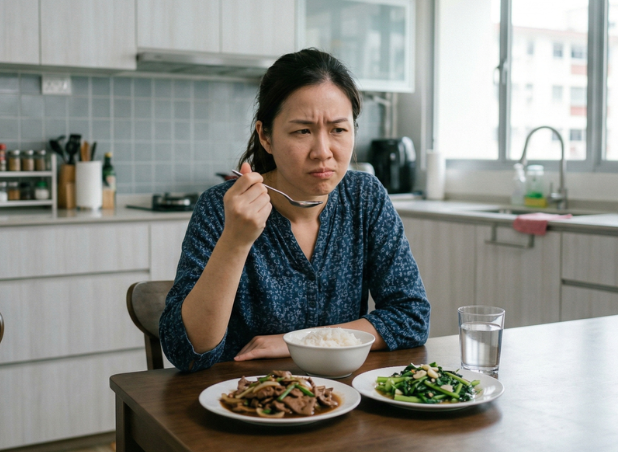
The challenge is that exhaustion often feels like a normal part of caring for a newborn. Between feeding sessions, sleepless nights, household responsibilities, and recovering from childbirth, it can be difficult to tell the difference between expected tiredness and signs that your body is struggling to keep up.
While every recovery journey is different, what feels like “pushing through” may actually be your body’s way of telling you to slow down.
If any part of that sounds familiar, keep reading. This article will help you recognise six of the most important ones and understand what to do when they show up.
What Your Body Is Actually Going Through
Before we get into the warning signs, it helps to understand what is happening inside your body during the first six weeks after birth. It is because the recovery is far more significant than most people realise.
The Physical Reality of Postpartum Healing
Whether you had a vaginal birth or a caesarean section, your body has been through significant physical trauma. A vaginal birth involves the stretching and potential tearing of tissue. A C-section is a major abdominal surgery that cuts through multiple layers. In both cases, internal healing takes weeks, and most of it happens invisibly, beneath the surface, whether or not you feel it.
During the first six weeks after birth, your uterus is contracting back to its pre-pregnancy size, your hormone levels are dropping sharply, and your cardiovascular system is adjusting to major shifts in blood volume (Cleveland Clinic, 2025). All of it requires energy that your body desperately needs.
Sleep, Hormones, and Breastfeeding on Top of Everything Else
On top of the physical healing, you will encounter a sudden drop in oestrogen and progesterone after delivery, the so-called hormonal crash. This affects your mood, your concentration, and the quality of what little sleep you are getting. If you are breastfeeding, your body requires significant caloric expenditure and continuous hormonal shifts to produce milk, which places substantial physical and cognitive stress on an already stretched postpartum system.
Then there is the sleep deprivation, which compounds everything else. Newborns typically wake every two to three hours. Research confirms that even partial sleep loss impairs immune function, emotional regulation, and physical recovery (Sleep Foundation, 2025).
How do I know if what I’m feeling is normal? Your body communicates constantly. These six signs are among the clearest signals that you need to slow down.
1. Persistent Headaches
Postpartum headaches are highly common, often caused by the rapid drop in estrogen, sleep deprivation, stress, and dehydration.
When you are overexerting yourself and not resting enough, all of these factors are worse. Your body is working harder than it should, and headaches are often one of the first ways it lets you know. You may need to be careful when you have the following red flag symptoms accompanied by headache:
- A sudden, severe headache that peaks rapidly (thunderclap headache)
- Blurred vision
- Severe pain near your ribs
- Sudden swelling of your hands, face, or legs
- Confusion, dizziness, seizures, or difficulty speaking
- Fever, chills, or a stiff neck
A headache that comes with visual changes may indicate postpartum preeclampsia, which is a serious condition that needs immediate medical attention. Do not brush off persistent headaches as just being tired.
If you want to get rid of postpartum headache, you can take safe headache medicine advised by your healthcare provider, apply hot or cold therapy, drink more water, and take enough of rest. If your headaches turn into a persistent issue or come alongside other symptoms, contact your doctor to seek care immediately.
2. Increased Postpartum Bleeding
You need to be careful when there is a noticeable increase in the amount or brightness of your lochia, the vaginal discharge that follows childbirth, especially after it had already started to lighten.
Lochia naturally moves from bright red in the first few days to a lighter pink or brownish discharge over the following weeks. When you become more active than your body is ready for, the bleeding often increases again or returns to a brighter red. It is one of the most direct physical signals your body gives you to slow down. If you are unsure of the normal process of postpartum bleeding, read the article:
However, it can turn into a critical condition if you are experiencing bleeding alongside fever, foul odour, or abdominal pain. Seek medical attention immediately. These can be signs of postpartum haemorrhage (PPH) or infection.
Hence, it is important to treat increased bleeding as a clear instruction from your body to stop and rest. Avoid lifting anything heavier than your baby, take stairs slowly, and let someone else handle the physical tasks. If the bleeding does not reduce with rest, seek care from a healthcare provider immediately.
3. Frequent Dizziness or Light-Headedness
After delivery, you may note symptoms like feeling faint, unsteady, or dizzy, especially when you stand up, move quickly, or have been on your feet for a while.
It is common due to the significant shifts in blood pressure after birth. Combined with blood loss during delivery, possible anaemia, dehydration, and lack of sleep, dizziness can occur when you overextend yourself physically. During a nursing session, your blood pressure will drop, adding to the effect.
If you encounter dizziness that causes you to nearly faint, happens regularly throughout the day, or comes with a rapid heartbeat, shortness of breath, or chest pain, this needs urgent medical review.
To manage postpartum dizziness, you can take some actionable strategies, including:
- Eat small, regular meals and keep fluids up throughout the day
- Avoid standing for long periods in warm environments
- Get up slowly from sitting or lying down
- Rest well
When you feel unsteady, make sure someone else is around, particularly if you are holding your baby.
4. Irritability, Mood Swings, or Emotional Overwhelm
After delivery, you may find yourself becoming unusually emotional. Small frustrations feel much bigger than they normally would. You may become tearful without knowing exactly why, feel constantly overwhelmed, or notice that your patience is wearing thin much faster than before.
This is not surprising. In the weeks after birth, your body experiences one of the most dramatic hormonal shifts it will ever go through. At the same time, you are adjusting to a new identity, recovering physically, and functioning on fragmented sleep. When physical exhaustion and overexertion are added into the mix, emotional resilience naturally becomes harder to maintain.
While emotional ups and downs are common in the first two weeks after delivery, persistent feelings of sadness, anxiety, hopelessness, or irritability should not be ignored. If these symptoms continue beyond two weeks, worsen over time, or begin affecting your ability to care for yourself or your baby, it is important to seek professional support.
To support your emotional well-being during recovery, you can:
- Prioritise rest whenever possible
- Reduce non-essential responsibilities and commitments
- Share honestly with your partner, family members, or trusted friends about how you are feeling
- Spend time outdoors or engage in gentle movement when medically appropriate
- Speak to your healthcare provider if symptoms persist or intensify
Remember that seeking help is not a sign of weakness. Postpartum depression and anxiety are common medical conditions, and effective support is available.
5. Low Milk Supply Linked to Exhaustion and Stress
Many mothers are surprised to discover that recovery and milk production are closely connected. If you notice your baby feeding more frequently than expected, appearing unsettled after feeds, or if you are concerned about your milk output, exhaustion and stress may be contributing factors.
Breast milk production requires energy, hydration, adequate nutrition, and hormonal balance. When a mother is consistently sleep-deprived, skipping meals, physically overexerting herself, or operating under chronic stress, the body may struggle to prioritise milk production. Elevated stress levels can also interfere with the release of oxytocin, the hormone responsible for milk let-down.
A temporary dip in supply can happen during periods of fatigue. However, if your baby is not gaining weight appropriately, producing fewer wet diapers than expected, or if feeding concerns are causing significant stress, it is worth seeking professional guidance.
To support healthy milk production, consider:
- Staying hydrated throughout the day
- Eating regular, nourishing meals and snacks
- Resting between feeds whenever possible
- Feeding or expressing milk frequently based on your baby’s needs
- Seeking support from a lactation consultant if concerns persist
Low milk supply is not a reflection of your effort or ability as a mother. Often, it is simply a signal that your body needs more support and recovery time.
6. Ongoing Sleep Deprivation and an Inability to Recover
Feeling tired comes with the territory of caring for a newborn. However, there is a difference between expected fatigue and reaching a level of exhaustion where your body can no longer recover properly.
Sleep deprivation affects nearly every aspect of postpartum recovery. It can slow physical healing, weaken the immune system, affect milk production, reduce concentration, and make emotional regulation significantly more difficult. When mothers continue taking on household responsibilities, caring for visitors, or trying to maintain their pre-baby routines, the sleep deficit can quickly become overwhelming.
Over time, chronic sleep deprivation may leave you feeling as though no amount of rest is enough. You may struggle to focus, become forgetful, feel disconnected from daily activities, or find yourself becoming increasingly emotional and overwhelmed.
If you notice yourself struggling to stay awake while feeding your baby, feeling unsafe carrying your baby due to exhaustion, or experiencing significant changes in mood and functioning, it is important to address the issue rather than push through it.
Some ways to reduce the impact of sleep deprivation include:
- Resting when opportunities arise, even if it is only for short periods
- Sharing overnight responsibilities with your partner when possible
- Accepting help from family members and trusted support networks
- Limiting unnecessary commitments during the early postpartum period
- Focusing on recovery rather than productivity
Many mothers view rest as something they need to earn after everything else is done. During postpartum recovery, rest is not a reward. It is part of the recovery process itself.
When to See a Doctor
Some postpartum symptoms need prompt professional attention. Reach out to your doctor or the nearest emergency department if you notice any of the following:
- Excessive bleeding
- Severe or sudden headache with visual changes or facial swelling
- Fever above 38 degrees Celsius
- Chest pain, or shortness of breath
- Redness, heat, or swelling around a C-section wound or stitches
- Persistent thoughts of harming yourself or your baby (signs of postpartum depressions)
Early medical attention leads to significantly better outcomes. If something feels wrong, trust that instinct and get it checked.
Practical Ways to Support Your Recovery
1. Rest Has to Come First
Recovery does not happen around the edges of a full day. It needs to be the priority, especially in the first four to six weeks. Build rest into your day on purpose, not as something you will get to eventually.
2. Let People Help You
In Singapore, the confinement period exists precisely because new mothers need sustained, practical support. If you need confinement support, do not hesitate to seek support. You are not being lazy. You are being sensible.
3. Eat and Drink Consistently
Traditional confinement foods in Singapore, including those rich in ginger, sesame oil, and warming proteins, have long supported postpartum recovery. Modern nutrition guidance aligns closely with this approach. Prioritise iron-rich foods to replenish blood loss, protein to support tissue repair, and enough calories to sustain breastfeeding if you are nursing. And drink water throughout the day, not just when you remember.
Why Having the Right Support Changes Everything

Across most cultures, new mothers have historically been surrounded by a community of people who stepped in to help. The postpartum period requires more support than one person, or even one couple, can realistically provide on their own.
In Singapore, the confinement tradition reflects a deep cultural understanding of this. Having experienced, practical support during those first weeks allows a mother to do the one thing that matters most during this period: rest and recover.
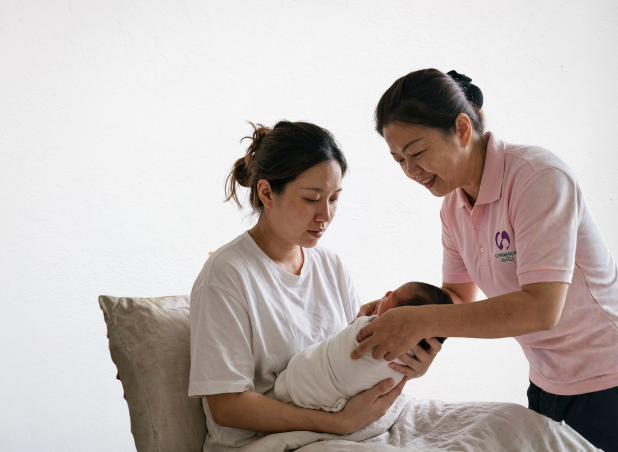
Professional confinement support, whether through family, a confinement lady, or a structured care service, can take on newborn care, meal preparation, and light household duties so that the mother is not stretched thin from the very beginning. Services like Confinement Angels provide trained confinement nannies who offer exactly this kind of hands-on, experienced support during the weeks when it matters most. The goal is to give mothers the space to actually heal.
You do not have to do this alone, and you genuinely should not try to.
For mothers looking for more guidance on postpartum recovery or professional confinement support during those early weeks, Confinement Angels connects families with experienced confinement nannies who can make a real difference during this critical time. Because one of the best things you can do for your baby right now is genuinely take care of yourself.
Ready to find the suitable confinement nanny?
Enquire with Confinement Angels now, we’re here to help you every step of the way.
Chat with us on WhatsApp- Eric, S. (2025) How Sleep Affects Immunity, Sleep Foundation. Available at: https://www.sleepfoundation.org/physical-health/how-sleep-affects-immunity
- Cleveland Clinic. (2023) Postpartum Headache. Available at: https://my.clevelandclinic.org/health/diseases/postpartum-headache
- Cleveland Clinic. (2024) Postpartum Hemorrhage. Available at: https://my.clevelandclinic.org/health/diseases/22228-postpartum-hemorrhage
- Cleveland Clinic. (2025) Uterus involution. Available at: https://my.clevelandclinic.org/health/body/22655-uterus-involution
- Saharoy R, Potdukhe A, Wanjari M, Taksande AB. (2023) Postpartum Depression and Maternal Care: Exploring the Complex Effects on Mothers and Infants. Cureus. 2023 Jul 4;15(7):e41381. doi: 10.7759/cureus.41381. PMID: 37546054; PMCID: PMC4992357.
- Marina B, Karen C, Kimberly MR. (2025) Postpartum Headache, StatPearls. Available at: https://www.ncbi.nlm.nih.gov/books/NBK537101/