Quick Answer
Yes, you can absolutely avoid liver during confinement. While traditionally praised for its high iron, you can successfully replace it with lean red meats (beef or lamb), chicken thighs, black fungus, and spinach. To match the “blood-building” benefits of liver, ensure you pair these alternatives with Vitamin C-rich foods (like papaya or oranges) to maximize iron absorption. Modern recovery is about nutritional density, not forced restriction.
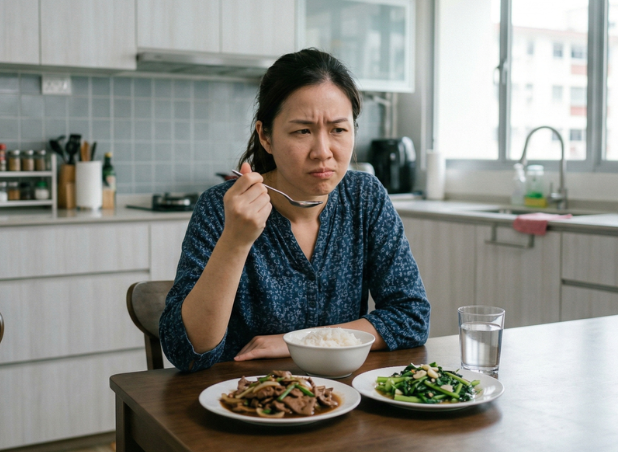
Hey new mummies! If you’re in the middle of your Golden Month, chances are someone has placed a steaming bowl of ginger-fried liver in front of you. The traditional belief is firm: you lost blood, so you must eat liver to make blood. But what if the smell makes you nauseous and the texture makes you gag?
Forcing yourself to eat something you dislike raises cortisol, which is exactly the wrong condition for recovery and milk supply. The good news: liver is not mandatory. Here’s how to meet the same nutritional goals without it.
The Myth: Liver is the Only Way to Replenish Blood
Liver has long been considered the ultimate blood tonic because of its high heme iron content (Vo & Desai, 2021). For centuries, before supplements existed, it was the most efficient way to prevent postpartum anaemia.
But liver isn’t the only iron source, and relying on it too heavily can push Vitamin A (retinol) intake beyond safe limits, which places unnecessary strain on your liver and is avoidable with a balanced diet.
Three Reasons to Skip the Liver (If You Hate It)
1. Iron works better with Vitamin C. The real value of liver is its iron, but your body can’t absorb iron efficiently without Vitamin C (Pantopoulos, 2024). A piece of lean steak or a bowl of spinach paired with lemon juice or papaya can be more effective for your blood levels than liver eaten alone (Piskin et al., 2022).
2. Forcing food raises stress. Eating something that triggers a gag reflex increases cortisol. High stress at mealtimes can cause indigestion and disrupt the let-down reflex during breastfeeding, which is the opposite of what recovery requires.
3. Healing needs more than liver can offer. Tissue repair requires zinc, protein, and antioxidants in quantities that liver alone cannot provide. Variety, not any single food, is what drives real recovery.
What are the Replacement Ingredients for Liver?
Swap liver for these alternatives. Your confinement nanny can incorporate them based on your preferences.
| If liver was meant to give you… | Try this instead |
|---|---|
| Heme iron (blood building) | Lean beef, chicken thighs, or lamb stir-fried with ginger |
| Vitamin B12 (energy) | Eggs, salmon, or threadfin fish |
| Folate (cell repair) | Black fungus, spinach, or asparagus |
| Vitamin A | Carrots, sweet potatoes, or pumpkin |
How Confinement Angels can Help You
Many mothers worry that hiring a confinement nanny means being forced to eat foods they dread. A good nanny’s role is to support your recovery, not enforce a rigid script.
At Confinement Angels, our confinement nannies can help prepare meals for recovery based on your preferences:
- Communicate Early: Tell your confinement nanny what ingredients you dislike on day one. She can substitute liver with black fungus, red dates, and lean meats to keep your iron levels high.
- Clever Recipes: If you are open to liver but hate the flavor, she can mince it into seasoned meat patties to hide the taste.
- Healthy Digestion: She can prepare “warm” vegetables like ginger-stir-fried broccoli to keep postpartum constipation at bay.
Remember, your confinement is about healing and bonding, not suffering through every meal. If you hate liver, don’t eat it. Prioritise quality proteins, dark leafy greens, and a nanny who listens.
References
- Ball, L., et al. (2022). Postpartum nutrition: Guidance for general practitioners. Australian Journal of General Practice.
- Pantopoulos, K. (2024). Oral iron supplementation: new formulations, old questions. Haematologica.
- Piskin, E., et al. (2022). Iron Absorption: Factors, Limitations, and Improvement Methods. ACS Omega, 7(24).
- Smith, T. J., et al. (2021). Traditional prenatal and postpartum food restrictions. Maternal & Child Nutrition.
- Vo, T., & Desai, M. (2021). Immigrant mothers’ transnational postpartum cultural practices. Women’s Health, 17.