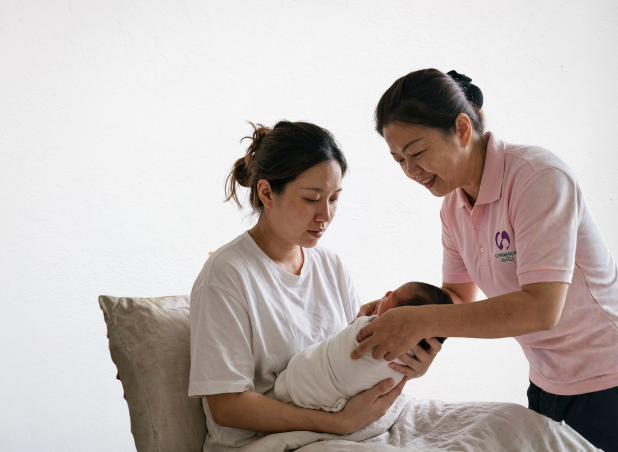
The postnatal period, or confinement (zuò yuè zi), is a crucial time for new mothers. For generations, many women have been told to severely limit their water intake to prevent issues like swelling and a large abdomen. This traditional belief is the most persistent confinement myth that we ever heard.
Modern medical understanding shows this advice is not only outdated but potentially harmful. Trying to stay dehydrated can lead to serious complications.
In this essential guide, we debunk the confinement myth about water restriction and provide key facts and tips for safe, effective hydration during your recovery.
The Truth Behind the Swelling Confinement Myth
It’s a common fear: Will drinking water cause water retention or keep the ‘baby weight’ on? This is a popular confinement myth that needs correction.
- Swelling: Postpartum swelling (edema) is primarily caused by hormonal shifts and the fluid your body retained during pregnancy. As your uterus recovers and hormones rebalance, this swelling naturally subsides, regardless of how much water you drink.
- Abdominal Size: The size of your abdomen postpartum is related to the recovery of your uterus, skin elasticity, and muscle tone. Water intake has no influence on whether your belly will shrink.
Clinging to this old belief and drastically restricting fluids is counterproductive.
Why Hydration is Crucial and What Happens When You Believe the Myth
For most new mothers, adequate hydration is essential, not optional. Restricting fluids can actually lead to complications, the exact opposite of a healthy recovery.
Here’s why you must ensure sufficient water intake after childbirth:
- Preventing Infections: Clinically, doctors often see cases where mothers, who are afraid to drink water due to the confinement myth, develop urinary tract infections (UTIs) or even kidney stones. Insufficient fluid intake concentrates urine, making the urinary system vulnerable to bacteria.
- Supporting Breastfeeding: If you are nursing, water is directly linked to milk production. Dehydration will negatively impact your body’s ability to produce milk.
- Fluid Loss from Delivery: You lose significant amounts of fluid during labor and from lochia discharge. Replenishing this is vital for overall healing.
Note
Unless you have a specific medical condition (like kidney disease) that requires fluid restriction. Please consult with medical specialist.
How to Structure Your Water Intake Safely
The key to good postpartum hydration is not just drinking enough, but drinking the right type of fluid at the right time.
Follow Your Body’s Cues
- Listen to Thirst: The best rule is to “follow your feelings.” If you feel thirsty, your body is already signaling that it needs water. Drink water immediately.
- Sip consistently: Avoid chugging large volumes at once. Sip water steadily throughout the day to help your body maintain fluid balance.
Focus on Warm Water to Avoid Chilling
- Avoid Cold or Iced Water: It is strongly recommended to drink warm water or room-temperature beverages during confinement.
- Why should avoid cold water during confinement: In traditional practice, cold liquids are believed to chill the stomach and intestines. This can affect the absorption of nourishing confinement supplements and hinder the circulation of blood and qi (energy), leading to body aches and discomfort.
What to Drink during Confinement
If family elders are strongly focused on traditional rules, you have many healthy, warming alternatives that still help you hydrate. As an example, you may consume postpartum herbs (confinement soup) during your confinement. Confinement herbal soups are traditional postpartum dishes using ingredients like Dang Gui (Angelica Root), Astragalus (Huang Qi), Red Dates, and Black Chicken to promote healing, boost energy, and support lactation.
These beverages are hydrating and providing a compromise for dealing with the confinement myth about water.
How can I find confinement herbs
Maternity Angels can provide you a consultation with TCM professionals and personalized confinement herbs tailored to your body conditions.
Stop Believing This Confinement Myth for a Healthy Recovery
For optimal recovery, milk production, and to avoid complications like UTIs, prioritizing sufficient water intake is non-negotiable. Forget the old fears about swelling; focus on warm liquids, and listen to your body’s thirst signals. Debunking this confinement myth will help ensure a healthier, safer postnatal period.
If you are looking for a postpartum helper at the same time, please contact Confinement Angels to learn more.
Reference:
Lin, Y.H., 2014. Huaiyun zuoyuezi 480 ge yiwenti jieda [480 Questions and Answers on Pregnancy and Confinement]. Taipei: Renlei Zhiku Digital Technology Co., p.271.