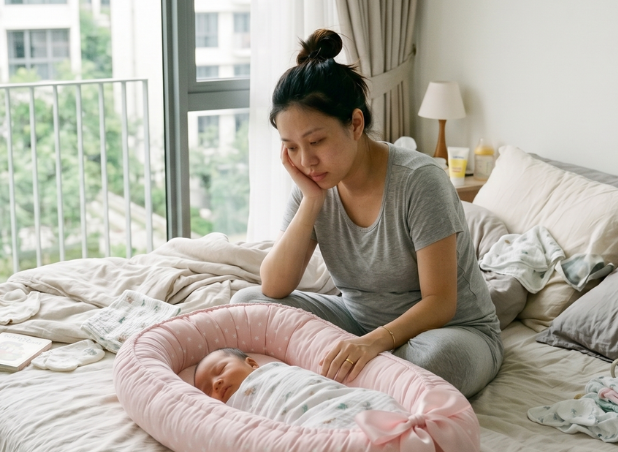
You made it through pregnancy. You survived labour. And now, finally, your baby is here.
But somewhere between the midnight feeds and the endless laundry, you start to notice something is off. Your body does not feel like it is bouncing back, joints ache, mood dips without warning. You are exhausted in a way that sleep alone does not seem to fix.
For many mummies, especially first-timers, these are not just normal postpartum experiences. They are often signs that confinement was not done properly, or perhaps not done at all.
If you are currently pregnant, this is the article you will want to read before you deliver. If you are a mum heading into your second pregnancy, this is your chance to do things differently.
Why Proper Confinement Matters More Than You Think
Confinement, or zuo yue zi (坐月子), is a structured recovery period, traditionally 28 to 40 days, where a new mother rests deeply, eats nourishing food, and receives dedicated support. Medical experts generally recommend a period of limited activity and focused recovery for at least six weeks following a vaginal delivery to allow for healing of the pelvic floor and perineal tissues. This is also a guideline that aligns remarkably well with traditional confinement practices, even though these traditions developed centuries before modern medicine.
Yet in today’s fast-paced world, many mummies rush through or skip this recovery window altogether. They try to do it all: care for the baby, manage the household, keep up appearances, all while their bodies are still healing from one of the most physically demanding events of their lives.
The postpartum period is a vulnerable time of adjustment. In many Asian cultures, pregnancy is seen as a “hot” state. The postpartum period is viewed as “cold” and more vulnerable. This makes proper care even more essential during this time. When that care is inadequate, the body signals distress in ways that can persist for months, or even years. Here, we breakdown 8 signs of not having a proper confinement for mummies.
8 Signs Your Confinement Was Not Proper
1. Persistent Postpartum Body Pain
There is “new mum tired,” and then there is something deeper. If you are months postpartum and still feel deep, lasting exhaustion even after rest, it may mean your body has not fully recovered. While fatigue right after labor is normal, feeling drained for weeks or months may mean your body needs more time to recover. Without proper rest and nourishing food during confinement, the body simply cannot replenish what was lost during pregnancy and delivery.
2. “Wind” Pains
Aching joints, especially in the wrists, fingers, knees, and lower back, are a common long-term result of inadequate confinement. Traditional Chinese Medicine attributes this to “wind” entering the body during the vulnerable postpartum period. Joints, shoulders, knees, and feet are key entry points during recovery. If they are not kept warm and cared for, healing may be slower. When you lean into TCM philosophy, poor postpartum nutrition and insufficient rest are recognized as major factors contributing to Qi and Blood deficiency, which directly impairs musculoskeletal recovery.
3. Excessive or Prolonged Hair Loss
Some shedding after birth is completely normal. However, if it continues beyond expected timelines or feels alarmingly heavy, it may point to nutritional gaps from an incomplete confinement. Occasionally, ongoing shedding may be related to iron deficiency or thyroid conditions, both of which can be worsened by poor postpartum nutrition. Stress, fatigue, and nutritional deficiencies, all more likely when confinement is skipped or rushed, are thought to worsen hair loss during the postpartum phase.
4. Mood Swings, Anxiety, or Feeling Emotionally “Off”
Proper confinement is not just physical. It is deeply emotional. When mummies do not get enough rest, support, or nourishment, the mental toll becomes significant. Research from Taiwan found that women with poor confinement compliance had a higher risk of postpartum depression. It also found that proper support during confinement, at home or in a specialized center, led to better mental health. If you find yourself feeling persistently low, irritable, or overwhelmed well beyond the baby blues stage, inadequate confinement may be a contributing factor.
5. Slow or Difficult Breastfeeding Recovery
Milk supply issues are frustrating, and they often tie directly to how well a mother recovers postpartum. Confinement foods, especially warming soups, fish, and red dates, are specifically chosen to support lactation and blood restoration. Nutritional requirements during the postpartum period are high and labour-intensive to maintain, especially without adequate support. Without proper nourishment, the body simply may not have the reserves to produce milk consistently.
6. Prolonged Abdominal Weakness or Pelvic Discomfort
Feeling unsupported around the midsection long after delivery can point to insufficient physical recovery. The uterus, pelvic floor, and abdominal muscles all need time, and the right conditions, to heal. During the delayed postpartum phase, from six weeks to six months, the body works to return muscles and tissues to their pre-pregnancy state. Skipping adequate rest during this critical window raises the risk of conditions like pelvic floor dysfunction or uterine prolapse developing later.
7. Digestive Issues and Poor Appetite
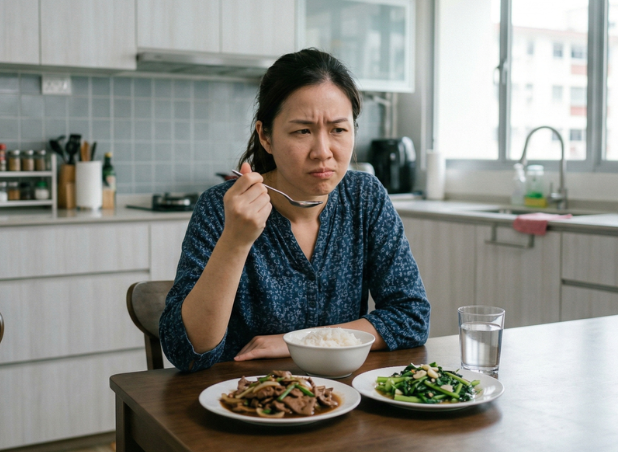
After childbirth, the digestive system needs warmth and gentle foods to recalibrate. Cold foods, raw foods, and irregular eating during confinement can disrupt this process. Many new mothers who skip a proper confinement diet report bloating, slow digestion, or poor appetite long after delivery. This is especially common among those who did not have someone preparing warm, regular meals during their recovery period.
8. Getting Sick Easily After Delivery
Pregnancy and delivery take a toll on the immune system. Proper confinement practices, including adequate sleep, nourishing meals, staying warm, and minimising unnecessary outings, actively protect mothers during this vulnerable window. Mummies who fall ill frequently in the months following delivery may not have had the recovery conditions their bodies needed to rebuild their defences.
Tips for Doing Confinement Right
Whether this is your first baby or your second, these principles form the backbone of a meaningful recovery.
Rest is non-negotiable. Sleep whenever the baby sleeps, and avoid housework and strenuous tasks. Your body is healing from a major physical event.
Eat warm, nourishing meals. Confinement meals should focus on warm soups and broths, ginger, sesame oil, red dates, and protein. Choose proteins like chicken and fish. These foods support blood production, milk supply, and energy recovery.
Stay warm. Keep your body covered, avoid cold water and cold foods, and drink warm or hot liquids throughout the day.
Limit visitors and stimulation. The early weeks should be calm and quiet. Constant visitors, however well-meaning, drain your energy and make true rest difficult.
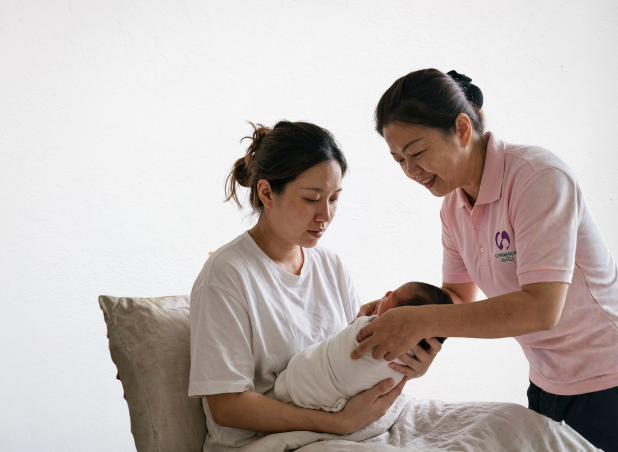
Accept and ask for help. Confinement is not meant to be done alone. Traditionally, the mother’s own mother or mother-in-law would step in. Today, many families turn to a trained confinement nanny to fill that role.
Prioritise your emotional wellbeing. Talk to your partner about how you are feeling. Check in with your doctor if mood symptoms persist. The World Health Organisation (WHO) says that enough rest can help prevent perinatal mood disorders.It also says that good nutrition can help.Strong social support can help too.
How a Confinement Nanny Can Make All the Difference
One of the biggest reasons confinement falls short is simply the lack of hands-on support. You cannot truly rest when you are also cooking, cleaning, and learning to care for a newborn simultaneously.
This is where a professional confinement nanny becomes invaluable, not a luxury, but genuinely necessary support. Confinement Angels is Singapore’s first professional confinement nanny agency. We provide expert newborn care and postpartum support for mothers. Established in 2015, Confinement Angels has become an award-winning agency. It has helped more than 15,000 families.
To learn more about what a confinement nanny does, read the article below:
Why Confinement Angels
Beyond the nanny service itself, Confinement Angels offers a holistic experience that goes beyond nanny services. This includes postnatal massages, nutritious confinement meals, mental wellness support, infant care classes, and even exclusive confinement serviced apartments at hotels like Shangri-La and Great World for mummies who prefer a more private, luxurious recovery setting.
For mummies expecting their second child, this is your opportunity to experience confinement the way it was always meant to be: fully supported, properly nourished, and genuinely rested.
A Note to Mummies-to-Be
If you are reading this while still pregnant, you have a real advantage: you can plan ahead, as you already knew signs of not having a proper confinement. Talk to your partner now about what support will look like after delivery. Prepare your confinement meals in advance if possible. Research your options for professional help. And most importantly, give yourself permission, in advance, to rest.
Your baby needs a healthy, recovered mum far more than a spotless house or a fully packed social calendar.
The first 40 days after birth are a window that does not come back. Use it well.
References
- Cleveland Clinic. (2024). Postpartum: Stages, Symptoms and Recovery Time. Link
- Tommy’s. When and How to Exercise After a C-Section. Link
- Yang, X., Qiu, M., Yang, Y., Yan, J., & Tang, K. (2023). Maternal postnatal confinement practices and postpartum depression in Chinese populations: A systematic review. PloS one, 18(10), e0293667. https://doi.org/10.1371/journal.pone.0293667 Link
- Fok, D., Aris, I. M., Ho, J., Lim, S. B., Chua, M. C., Pang, W. W., Saw, S. M., Kwek, K., Godfrey, K. M., Kramer, M. S., Chong, Y. S., & GUSTO Study Group (2016). A Comparison of Practices During the Confinement Period among Chinese, Malay, and Indian Mothers in Singapore. Birth (Berkeley, Calif.), 43(3), 247–254. https://doi.org/10.1111/birt.12233 Link
- Hirose A, Terauchi M, Odai T, et al. Postpartum hair loss is associated with anxiety. J Obstet Gynaecol Res. 2024;50. doi:10.1111/jog.16130 Link
- World Health Organisation (WHO). Perinatal mental health. Link
Notes
This article is for informational purposes only and does not constitute medical advice. Always consult your doctor or healthcare provider for personalised postnatal care guidance.