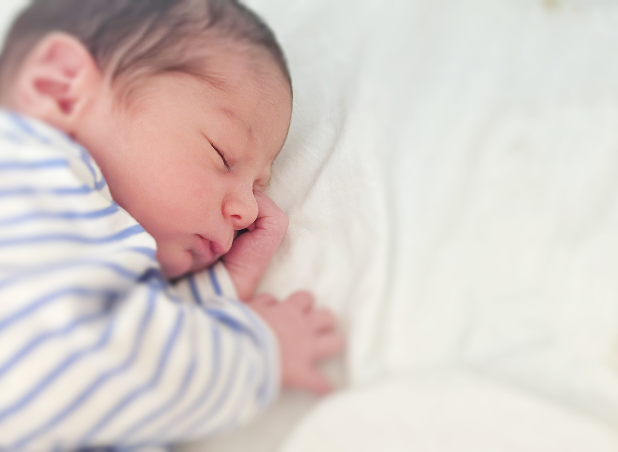
It is a sound that tugs at every parent’s heartstrings: the high-pitched, persistent wail of a newborn. If you are currently pacing the floor, wondering how to stop a baby from crying, you aren’t alone.
Crying is not a sign of “bad” parenting, nor is it a sign that your baby is being difficult. For a newborn, crying is their primary form of communication. [1] Since they cannot yet speak, they use vocalization to signal that something in their environment or their body isn’t quite right. Understanding the “why” behind the tears is the first step toward a peaceful home.
Why Do Babies Cry? Common Reasons for Newborn Distress
Before you can soothe your baby, you need to decode the message they are sending. Most crying fits stem from a few core physical or emotional needs:
1. Baby is Hungry
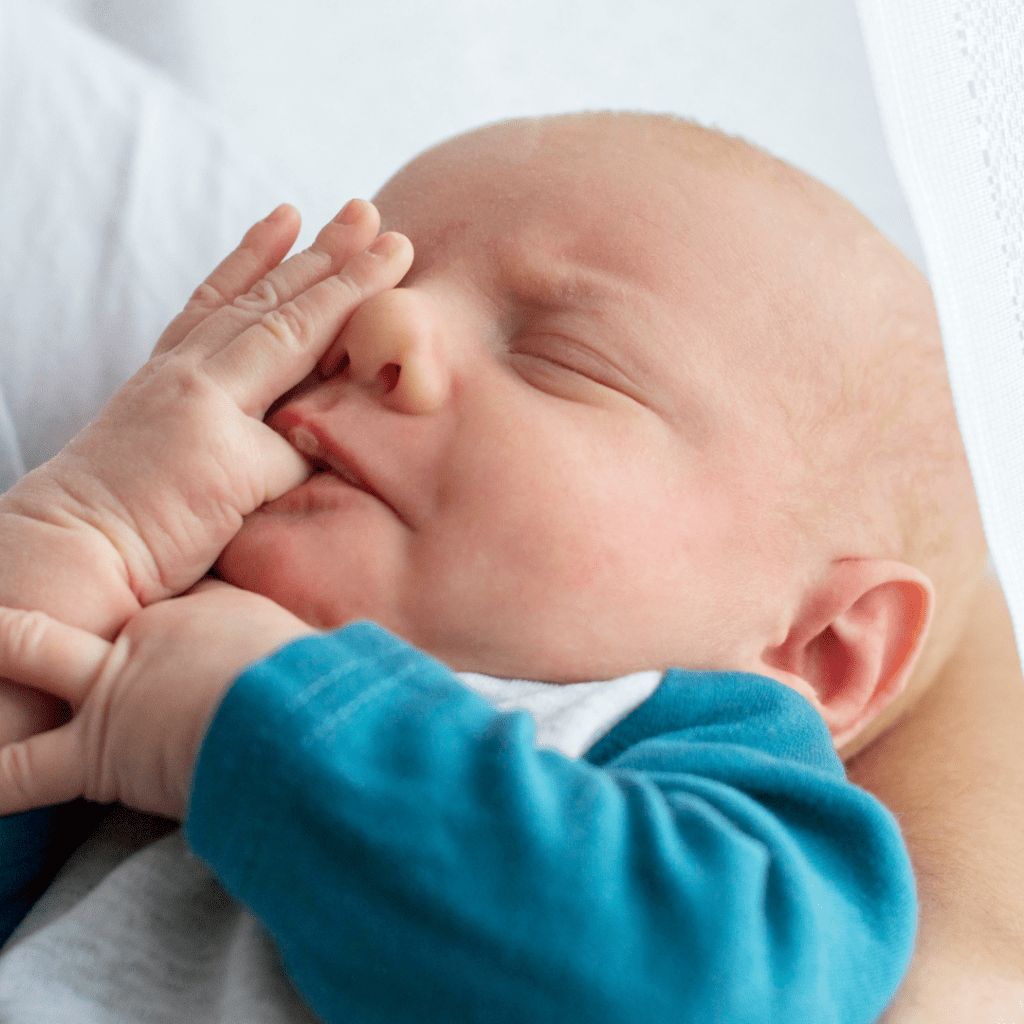
The most common reason a baby cries is simply because they are hungry. Because newborns have tiny stomachs (about the size of a cherry in the first week), they need to eat frequently.
What are the hunger cues in newborns? [2]
- Lip-Smacking and Tongue Movements
- This is often one of the very first signs that your baby is thinking about their next meal. You might hear tiny clicking sounds or see their tongue poking out.
- Rooting (Turning Head Toward Touch)
- Rooting is a survival reflex that helps a baby find their food source (the breast or bottle). If something brushes against your baby’s cheek or mouth, they will automatically turn their head toward that side and open their mouth wide.
- Sucking on Hands or Fingers
- While older babies suck on their hands to explore textures or soothe teething gums, in a newborn, this is a classic hunger signal. The baby is trying to satisfy their sucking reflex. They may suck on their fists, individual fingers, or even their clothes.
- Increased Alertness or Physical Movement
- Before the crying starts, a baby will often become physically restless. This is sometimes called “active sleep” transitioning into hunger. You’ll notice more “squirming.” The baby may clench their fists, flex their arms, or kick their legs more vigorously than usual. Their eyelids may flutter, or they may look around the room with increased intensity.
2. Baby is Sleepy or Overtired

It sounds counterintuitive, but an exhausted baby often finds it harder to fall asleep. When a baby stays awake too long, their body produces cortisol and adrenaline, making them “wired” and fussy.
According to research [3], a standard tired cry is typically a whiny, nasal, and continuous sound that slowly builds in volume. However, once a baby becomes overtired, the cry remains similar but is accompanied by a complete inability to settle down. You may notice your baby getting easily frustrated, arching their back, or pushing away even when you try to comfort them.
3. Baby is Gassy or Needs to Burp
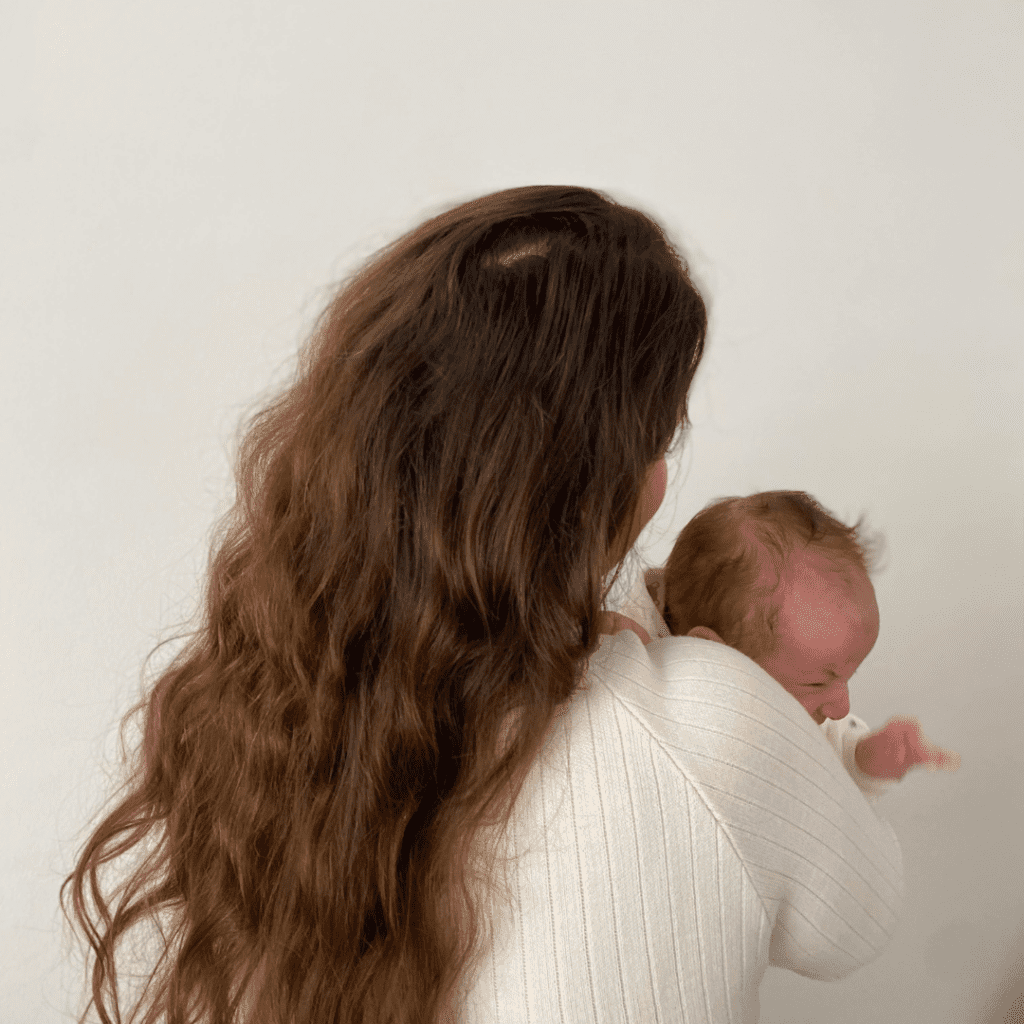
Because a baby’s digestive system is still maturing, trapped air is a frequent source of sharp physical distress. If a baby was crying from hunger or overtiredness, they likely swallowed even more air, creating a painful cycle of gas.
These key cues for a gassy baby cry are usually sudden, intense, and rhythmic. You will notice the baby clenching their fists, turning red in the face, or pulling their knees tightly toward their chest to try and “scrunch” the gas out. The baby will also pull away from the bottle or breast following crying during the feeding. [4]
Related article: Signs of overfeeding baby
4. Baby is Overstimulated

The world is a very loud, bright, and busy place compared to the quiet warmth of the womb. Sometimes, too many visitors, loud TV sounds, or bright lights can overwhelm a baby’s sensitive nervous system. Unlike adults, a baby cannot “filter out” background noise or bright lights, which can lead to a total sensory shutdown.
Overstimulation looks a little different for every baby, but common signs include [5]:
- Withdrawing: Turning their head away from you or avoiding eye contact (gaze aversion).
- Frantic Movement: Moving in a jerky way, clenching fists, or waving arms and legs.
- Behavioral Shifts: Acting scared, being unusually irritable, or engaging in intense self-soothing (like frantic hand sucking).
- The “Loud” Cry: A cry that is notably louder and more distressed than their usual whimper.
5. Baby is Too Hot or Cold
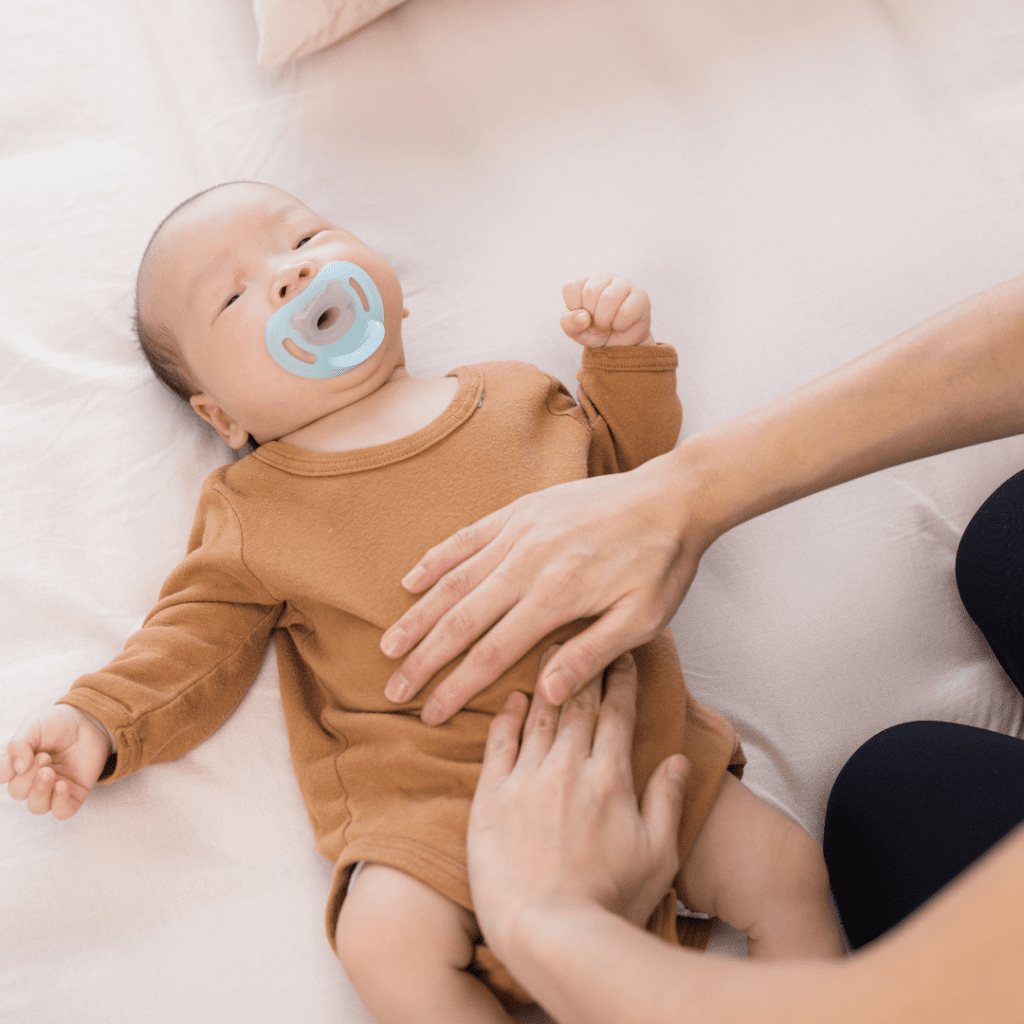
A baby cannot shed layers if they are too hot or grab a blanket if they are too cold. Being uncomfortably warm is actually more common than being too cold and can be a safety risk. Baby will act uncomfortably and cry.
Feel your baby’s chest or the back of their neck (hands and feet are usually naturally cool). If they are sweaty or damp, they are too hot. If baby’s chest, tummy, or neck feels cold to the touch, these are the signs when baby is too cold. [6] Understanding these can help to stop baby from crying.
Important: If the baby is cold and blue-tinted, seems limp, or is not feeding properly, seek medical help immediately.
Understanding the “Period of PURPLE Crying”
Developmental experts often refer to the first few months as the Period of PURPLE Crying. This is a phase where healthy babies may cry for long periods for no apparent reason, often in the late afternoon or evening (the “witching hour”).
While this phase is frustrating, it is not a reflection of parenting and does not mean something is wrong with the baby. Parents may try different soothing techniques to calm a crying baby.
Related article: How to soothe a crying baby
How a Confinement Nanny Makes the Difference

While the tips above are effective, the exhaustion of new parenthood can make it difficult to stay calm and observant. This is where professional expertise becomes invaluable.
When you engage Confinement Angels services, our trained nannies will help to take care of these stressful moments for you, ensuring your baby is comforted promptly while you get the essential rest you need to recover.
Why Choose Confinement Angels
Confinement Angels, the first confinement nanny agency which has an in-house training centre with professionally-trained nannies in Singapore. So if you are looking for top-rated confinement nannies in Singapore, you need not look further. Did you know – Confinement Angels has been awarded as the Singapore’s Best Confinement Nanny in 2024! Besides that, our confinement nanny Singapore agency provides a holistic service with different experiences to mummy and daddy so that you can get prepared for your parenthood!
Postpartum recovery has never been this easy and stress-free with Confinement Angels Nanny Agency Singapore. So, get your FREE confinement consultation now!
P.S – Known as the first-time parents’ priority choice, Confinement Angels provides parents with complete peace of mind and maximum comfort by attending to every single aspect 108-hour syllabus, before being subject to another round of stringent evaluation to determine if they are ready to be deployed for assignments. Because at Confinement Angels, we go above and beyond to bring you only the best. We have won the best confinement nanny agency in 2024 awarded by theAsianparent Parent Choice’s Singapore.
References
[1] Raising Children Network. Understanding Newborn Behaviour. Retrieved from: https://raisingchildren.net.au/newborns/behaviour/understanding-behaviour/newborn-behaviour
[2] Queensland Government Health. Breastfeeding 101: Signs of Hunger. Retrieved from: https://www.qld.gov.au/health/children/pregnancy/antenatal-information/breastfeeding-101/signs-of-hunger
[3] Baby Sleep Science. Why Some Babies Cry During Their Nap or Bedtime Routine and How to Fix It. Retrieved from: https://www.babysleepscience.com/single-post/why-some-babies-cry-during-their-nap-or-bedtime-routine-and-how-to-fix-it
[4] Norton Children’s. Gas Relief for Babies: Signs and Solutions. Retrieved from: https://nortonchildrens.com/news/gas-relief-for-babies/
[5] Healthline. 11 Signs of an Overstimulated Baby and How to Soothe Them. Retrieved from: https://www.healthline.com/health/baby/11-signs-of-an-overstimulated-baby-and-how-to-soothe-them
[6] Love to Dream. Signs Your Baby is Too Hot or Cold While Sleeping. Retrieved from: https://lovetodream.com/blogs/baby-sleep/signs-your-baby-is-too-hot-or-cold-while-sleeping